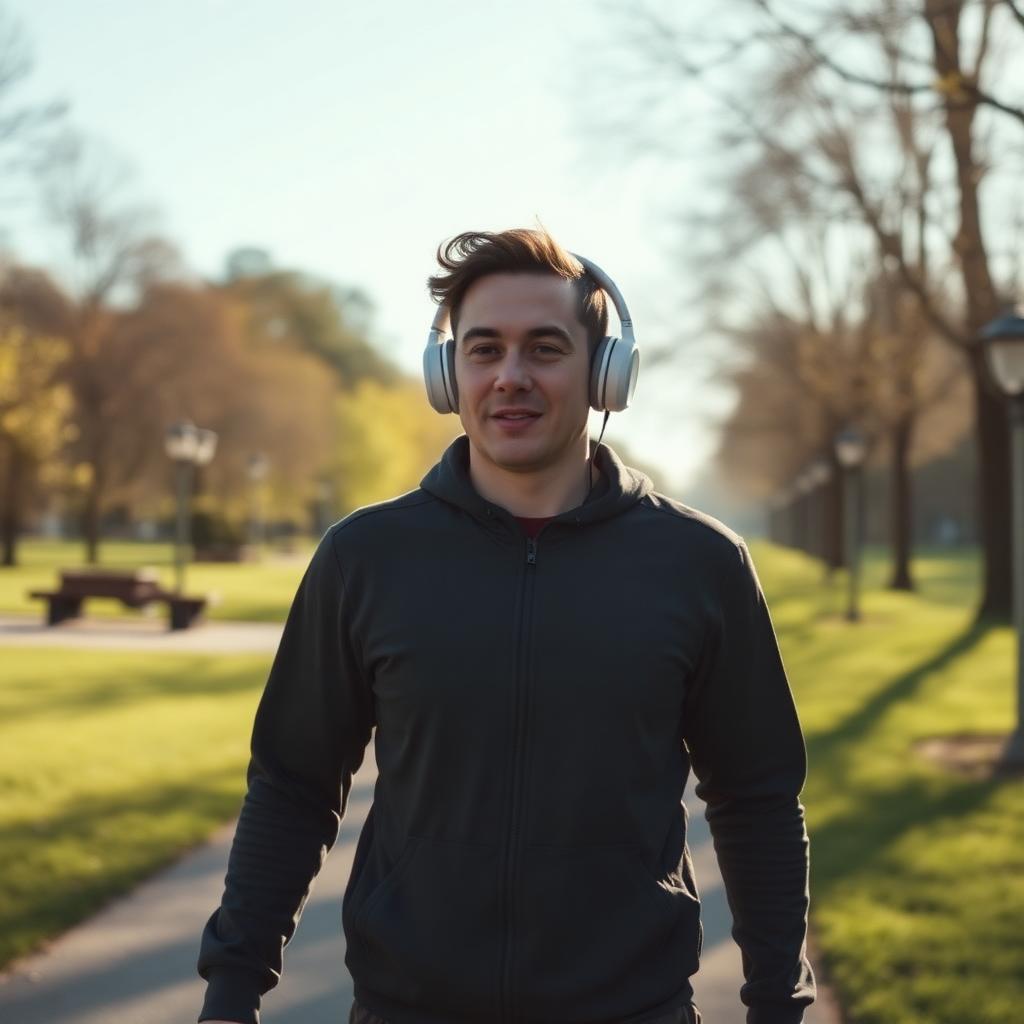

Why step challenges still work in 2026
Step challenges remain one of the most effective ways to get a workforce moving because walking is universal. It needs no equipment, no gym membership and no prior fitness — every employee can take part from day one, whether they work in an office, on a factory floor or from home. In 2026 the format has matured: modern step challenges combine wearables, mobile apps, team dynamics and rewards to turn a simple metric into a genuine cultural moment.
The evidence for daily walking keeps stacking up. Regular walking is linked to better cardiovascular health, improved mood, sharper focus and better sleep. For employers, that translates into fewer sick days, higher engagement scores and a visible signal that leadership cares about wellbeing. A well-run step challenge is one of the cheapest, highest-participation interventions a wellness team can launch.
What a modern 2026 step challenge looks like
The best step challenges today are gamified, social and inclusive. Instead of a single leaderboard that only rewards the fittest, they use team totals, personal bests, streaks and milestone badges so every employee can meaningfully contribute. Integrations with Apple Health, Google Fit, Fitbit, Garmin and smart rings make joining frictionless — employees connect once and their steps sync automatically.
- Team-based totals so newer walkers contribute alongside seasoned runners.
- Daily and weekly personal goals to reward consistency, not just volume.
- Live leaderboards, streaks and celebratory notifications for milestones.
- Token or points-based rewards that employees can redeem for real value.
- Inclusive alternatives — active minutes, wheelchair pushes or manual entry — so nobody is excluded.
Related links
How to design a step challenge that actually drives participation
Start with a clear, time-boxed format. Four weeks is long enough to build a habit and short enough to sustain excitement. Announce the challenge two weeks in advance, seed teams across departments and locations, and give managers a simple script so they can invite their people personally. Launch day should feel like an event, not an email.
Communicate weekly with progress updates, standout stories and gentle nudges to anyone who has not logged steps recently. Celebrate teams and individuals publicly, but never shame low performers. Keep the rules simple, publish a short FAQ and make sure IT and privacy questions are answered up front so employees trust the data flow.
Measuring success beyond the step count
Total steps are a satisfying headline number, but the metrics that matter to leadership sit alongside them: activation rate, weekly active users, average sessions per participant, self-reported energy and mood, and repeat participation in the next challenge. Track them from day one so you can show clear before-and-after impact.
Run a short pulse survey at the end and combine the qualitative feedback with the data. Use the insight to shape the next challenge — a hydration sprint, a sleep focus or a mindfulness month — so wellness becomes an ongoing rhythm rather than a one-off spike. Step challenges are the entry point; a connected wellness programme is the long game.
Run your 2026 step challenge with PUML
PUML makes it easy to launch a modern step challenge in days, not months. Teams get a branded challenge, live leaderboards, wearable integrations and reward tokens employees genuinely value — all backed by clear participation and engagement reporting for the wellness team. If you are planning your 2026 programme, a step challenge is the fastest way to prove the model and build momentum for everything that follows.
Related links